Saturday, November 6, 2010
Open Houses...a couple of tips
You know...it's not everyday that everyone gets to sell their home. I know that's an obvious truth, however, the experience when it does happen can be surprising at the very least...like jumping to a cold pool of water. Maybe it is the conditioning of past experiences and present pressure that teaches us that an open house is a vital necessity to a successful sale. We think that if we don't have an open house we'll miss out on an opportunity to sell to potential purchasers... Not so. Although open houses attract more than 40% of all home buyers, only less than five percent purchase as a result of open houses. Open houses rarely sell houses. However, folks who do choose to have open houses as a part of marketing should expect honest feedback and become more security conscious.
Some feedback have teeth...
Why do we need feedback from home buyers or their agents? Some may feel a second opinion reassures us and quiets our fear of the unknown...but are they reeeally necessary? Sales are all about the consumers, it is a way to get an immediate response from what consumers and their agents are looking for. A buyer's agent may view things differently from that of a listing agent (the agent who represents the seller), so getting feedback is a way to get a different perspective. It's a way to measure the pulse of the market. However, I am surprised when I hear of sellers who are offended by feedback. If you plan to sell your house, understandably sometimes feedback isn't always pleasant but they are a good sounding board...especially if you have doubts.
The presence of a real estate broker should ward off thieves...
Unfortunately, it's misleading to assume the presence of anyone person can ward off potential theft or that the person present is an expert of profiling incoming visitors.
Open Houses are great for buyers who maybe just "checking" out properties or just checking out what they want. Hey, lets not get paranoid...it's only an interjection of common sense to keep you careful. When you have your house opened to the public, keep your prescription drugs, your valuables or expensive wares out of sight, locked away, or removed.
In the end, selling should be a positive and safe experience, do try to keep it light and fun and remember, open houses aren't absolutely necessary but when you do have them, keep your valuables away and out of sight.
Monday, September 20, 2010
Mushrooms in the Greens

I've been on this mushroom hunting kick, empty of meaningful break from the ongoing stress-o-life and work, I'd thought it would be great to get back to basics, back to what I once remembered enjoying, "hunting" for mushrooms. It started out as a class course requirement and lead to a whole lot of cheese consumption. I've never been overly neurotic about mushrooms…however, if you happen to be in my circle of friends…I might come off as one… But before you run into your little cuddly corner of familiar comfort, consider this, can mushrooms help safe guard what you presently enjoy? Yes they can! Mushrooms are scarcely on common grounds as gardening discussions at a dinner table unless it’s your obsession, so just say that if we understood them more, we may delightfully muse about them. Okay for some that's asking much.
However, put aside your misconception and superstitions of them and accept that they...these fungi have a vital role in helping us with our gardening and growing food. They help our plants access otherwise inaccessible or difficult to access nutrients. In time, you will come to appreciate the beauties of these decomposers. Here in lies not an advocate for harmful mushrooms but their benefits in good stewardship.
Helpful Websites:
Fungi Perfecti, LLC. - mushroom resources
Friday, May 7, 2010
Be-Qweeding Your Lawn & Garden with Love
I had a soil science class in college during my years as a Botanist. The professor was a kid at heart when it came to dirt. He loved dirt...in fact we couldn't call it dirt it was "soil" to him. Dirt was anything that didn't belong where you wanted it, he would often remind us, as we dusted our soiled tables and swept out the dusty floors of the lab.
So, we shall extrapolate it to the general weed pollution...the "unwanted" in the garden of our Eden. The bane of our existence in home ownership. I was looking online for something to post for my future online Facebook business postings...Oh, did you know I had a Facebook account...you must visit...lots of helpful tid-bits...little doses of help. LOL!
Anyway, I was thinking about how to get rid of dandelions because I remembered some time ago someone told me the best way to kill your weeds was to overfeed them with fertilizer, the good stuff, to smother them with love without harming your "lawn". Well, to some extent this is true, what goes for one will also go for another...in other words don't over fertilize your ornamental, you'll can kill them in the same manner.
Here's an excerpt of how to get rid of your dandelions and other weeds:
1. Mow often to prevent blossoms from seeding.
2. Root them out manually or find some critters to pluck them for you, i.e. rabbits, chickens
3. Poach them by pouring boiled water over the plants.
4. Smother them with mulch, plastic, cardboard, or spray paint them whatever is more aesthetically pleasing to you or applicable with your neighborhood regulation(s).
5. Spray their foliage's with household vinegar.
6. Apply corn gluten meal to prevent roots from forming during seed germination (Garden Alive!)
7. Burn them, as a last resort w/caution in drier climate.
8. And last, inject your soil with love by improving it, creating an environment where weeds are less likely to take root and the soil is made more "fluffy" for easy pulling of weeds.
Full article: Seven ways to get rid of dandelions...Organically! by Marion Owen
Tuesday, March 9, 2010
Preping Yourself and Your Home for the Market
How many have recently attended an open house? Was it enjoyable?...almost like taking a trip to a home show eh..although less grand, way less crowded and less commercialized. When it comes time for you to sell your home, will you be mentally prepared? Many of you will default or defer to your real estate agent to conduct such matters...which is fine but what happens when reality sets in? Here are a few ways to prepare yourself :
- Expect a flood of visitors
- Expect high traffic for the first two weeks: phone calls, showings, agent previewing, last minute showings
- Expect that you'll have strangers in your home, invading your privacy
- Expect to understand that your security can become compromised
- Expect honest and frank feedback, it's business...don't take it personally, you were once buyers and possibly will be again
- Expect to be emotionally detach from your house...so you can see the big picture and avoid regrets.
For those who value privacy and personal space the experience of having strangers come in your home can be rather shocking but it is obvious why you placed your house on the market, right?...To get it sold. If your house isn't easily accessible, i.e. restrictive showing hours, it will not reach its potential dollar value and if you choose not have interior photos, you can guarantee you'll have less showing and potentially less profit.
Sometimes, especially when the property is new on the market, open houses can invite a crowd of visitors...where one sales agent alone isn't able to supervise everyone and security measures can become difficult. You, as homeowners, can do a few things to help secure your homes for open houses and while it is on the market:
1. Secure your home
- put away personal items: photos
- put away valuables: collectibles, jewelry, money
- if you have an alarm, use it
- secure your beloved pets in a safe location or remove them to a safe location
- put away confidential documents, i.e. credit cards, checks, bank statements, etc.
- put away your prescription drugs
2. Remove undesirable or fowl smells: i.e. strong cooking smells
3. Open the curtains, let in natural lighting and provide ample lighting
4. De-clutter: i.e. halls ways, rooms, closets, etc.
5. Soothing background music
6. Stage your home yourself or hire a professional stager
Got the Tax Credit, What now?
Mind you, obviously, I am not a tax accountant or a lawyer...a relatively frequently asked question among first time homebuyers is: Now that I've gotten my homebuyer tax credit when can I file it, for what year, with what forms,and with what proof of purchase?
Extended tax credit beneficiaries are those who close between November 7, 2009 and April 30, 2010 or have mutual agreement agreed offer by April 30, 2010 and closed by June 1, 2010. You need to determine to which tax year you would like to take advantage of the said tax credit on or before April 15, 2010 or 2009 tax return or file tax credit on or before April 15, 2011 for 2010 tax return. You can claim 2009 buyer tax credit even when the purchase was completed/closed after December 31, 2009 OR file an amended return after April 15, 2010.
What documents do you need? Hmm...you need a proof of purchase, YOUR proof of purchase. Well, this becomes unclear as to what particular purchase and sale documents are necessary to provide proof. But in short the following are a necessity:
- Tax Form 5405 - to help determine the amount you qualify for
- Apply the tax credit when you file your 2009 or 2010 tax return, which ever you choose
- And attach documentation of purchase, the details of which have not been released. You may wish to consult with a trustworthy and qualified tax accountant.
Homebuyer Tax Credit - Summary Chart (slow load...so have patience)
Frequently Asked Homebuyer Tax Credit Questions
Tax Credit towards FHA downpayment - Limited States
Friday, March 5, 2010
A Presale Buyer's Guide, Avoid the Heartache by Knowing What to Expect
How many of you know what a presale is? A presale is an empty lot, with the intent to have a house built on it, usually with a pre-determined floor plan; however, if the builder has not pre-determined a floor plan, the buyer is given the option to pick among a select few, limited by the size the lot can accommodate. In summary this is what typically happens after both parties have come to an agreement in price and terms:
1) Buyer picks lot location
a) which sometimes may or may not include an option to reserve, usually $5,000-$10,000 to reserve. This amount is usually counted towards the buyer’s home purchase if they were to follow through. However, if they did not, in the past...most recent past, some builders required buyers to forfeit their “reserve” deposit if they chose not to follow through. Don’t confuse this with the earnest money deposit.
2) Buyer picks floor plan option, if the choice is available
3) Buyer picks upgrade options, some options must be prepaid in advance whether it is due to permit requirements, ordering parts, or construction stage requirements; builder wants advance payment.
a) Some upgrade options may require buyer to make payment to a third party like a flooring company
b) The true customize home builders provide limitless buyer upgrade options
4) Buyer to wait patiently while builder shuffle paperwork, deal with the city and county, their contractor, their subcontractors, their field experts, their ordered parts and while waiting eagerly…watching for their home to rise from the ground up.
a) Buyers are not encouraged to be at the building site while work is being done: avoids liability, interference and miscommunication. However they are allow to see it from a distance.
5) Schedule final walk through with builder/managing supervisor/attending supervisor to glean over any mistakes, mishaps and to have them corrected; the list of items to correct is called a “punch list”. I call it the blue tape list because they use blue tape to note areas the buyer sees as concerns. A copy of the walk through list should also be provided.
6) Schedule a home inspector to come the same time or earlier that day to thoroughly inspect the house so it can be part of this “punch list”. Schedule for a re-inspection of the work done, it would be a good idea to address this request somewhere in the presale purchase and sale. Important to note, it is always best to have as much of the punch list completed, as some builders are known to not follow through after the house closes, even when promised. Can you force them to complete it? Yes, it requires your time, attentiveness and follow through with third parties who could help:
a) City/county inspectors (i.e. where applicable)
b) The listing broker’s office
c) Write and petition the builder under the one year builder’s warranty. It is important that you address your concerns within that one year period and it is important that you keep good and thorough documentation in all communications sent (if in letter form have it certified). Keep tract who you’ve spoken with, details of the conversations, date and time. If the builder has offered another warranty on top of their one year builder’s warranty, like a 6yr warranty or a 2-10 Warranty, the buyer can, after due diligence in seeking recompense from their builder and have gotten no response, they can file a claim against the additional warranty to have those problems resolved. How they (the additional warranty folks) will take care of it will be a matter between them and the builder who has membership with them.
d) File a complaint with the Department of Licensing, under Labor and Industry department
e) File a complaint with the real estate licensing department if they have a real estate license
f) File a complaint with the contractor licensing department
g) The buyer can stop escrow from closing after signing, to force the builder to compete the project. However, seek the advice of your real estate professional as it will depend on the outline of the contract and how it may or may not jeopardize your earnest money deposit.
Oh yes, one more thing...especially if you are new to the area request utility contact information from the builder and/or escrow before closing and confirm with those companies that all the utility billing information has been updated to reflect your correct billing address. So, to end in a more positive note, presale is fantasticaly economical with customizable options even to meet the most finicky buyers with limitless imagination, eager to watch their dream home come to life.
1) Buyer picks lot location
a) which sometimes may or may not include an option to reserve, usually $5,000-$10,000 to reserve. This amount is usually counted towards the buyer’s home purchase if they were to follow through. However, if they did not, in the past...most recent past, some builders required buyers to forfeit their “reserve” deposit if they chose not to follow through. Don’t confuse this with the earnest money deposit.
2) Buyer picks floor plan option, if the choice is available
3) Buyer picks upgrade options, some options must be prepaid in advance whether it is due to permit requirements, ordering parts, or construction stage requirements; builder wants advance payment.
a) Some upgrade options may require buyer to make payment to a third party like a flooring company
b) The true customize home builders provide limitless buyer upgrade options
4) Buyer to wait patiently while builder shuffle paperwork, deal with the city and county, their contractor, their subcontractors, their field experts, their ordered parts and while waiting eagerly…watching for their home to rise from the ground up.
a) Buyers are not encouraged to be at the building site while work is being done: avoids liability, interference and miscommunication. However they are allow to see it from a distance.
5) Schedule final walk through with builder/managing supervisor/attending supervisor to glean over any mistakes, mishaps and to have them corrected; the list of items to correct is called a “punch list”. I call it the blue tape list because they use blue tape to note areas the buyer sees as concerns. A copy of the walk through list should also be provided.
6) Schedule a home inspector to come the same time or earlier that day to thoroughly inspect the house so it can be part of this “punch list”. Schedule for a re-inspection of the work done, it would be a good idea to address this request somewhere in the presale purchase and sale. Important to note, it is always best to have as much of the punch list completed, as some builders are known to not follow through after the house closes, even when promised. Can you force them to complete it? Yes, it requires your time, attentiveness and follow through with third parties who could help:
a) City/county inspectors (i.e. where applicable)
b) The listing broker’s office
c) Write and petition the builder under the one year builder’s warranty. It is important that you address your concerns within that one year period and it is important that you keep good and thorough documentation in all communications sent (if in letter form have it certified). Keep tract who you’ve spoken with, details of the conversations, date and time. If the builder has offered another warranty on top of their one year builder’s warranty, like a 6yr warranty or a 2-10 Warranty, the buyer can, after due diligence in seeking recompense from their builder and have gotten no response, they can file a claim against the additional warranty to have those problems resolved. How they (the additional warranty folks) will take care of it will be a matter between them and the builder who has membership with them.
d) File a complaint with the Department of Licensing, under Labor and Industry department
e) File a complaint with the real estate licensing department if they have a real estate license
f) File a complaint with the contractor licensing department
g) The buyer can stop escrow from closing after signing, to force the builder to compete the project. However, seek the advice of your real estate professional as it will depend on the outline of the contract and how it may or may not jeopardize your earnest money deposit.
Oh yes, one more thing...especially if you are new to the area request utility contact information from the builder and/or escrow before closing and confirm with those companies that all the utility billing information has been updated to reflect your correct billing address. So, to end in a more positive note, presale is fantasticaly economical with customizable options even to meet the most finicky buyers with limitless imagination, eager to watch their dream home come to life.
Monday, March 1, 2010
Closing Costs, What you should expect.
Closing Costs seems like this big enourmous intangible bottomless pit that no one seems to know until near the very end of a transaction or at the least one can feel its looming shadow....
What can you expect from your closings costs?
Buyer's Typical Closing Costs, these fees (subject to any contractural agreement between the parties involved) are independent of loan downpayment(s).
Seller's Typical Closing Costs
(subject to any contractural agreement between the parties involved)
What can you expect from your closings costs?
Buyer's Typical Closing Costs, these fees (subject to any contractural agreement between the parties involved) are independent of loan downpayment(s).
- One half of escrow fee
- Lender's ALTA Extended Title Insurance Premium
- Document preparation
- Pro-rated fees: real estate tax, Homeowners Due (HOA), some utilities
- Reconveyance & recording fees
- Homeowners/Hazard Insurance premium for the first year
- Inspection Fees
- Loan charges
- Other miscellaneous fee: courier,
Seller's Typical Closing Costs
(subject to any contractural agreement between the parties involved)
- Work orders, if applicable
- One half of Escrow Fee
- Title Insurance Premium
- Homeowners Due (HOA)
- Real Estate Fee
- Home Warranty
- Assessment, or bonds
- Loan payoff amount and fees, i.e. prepayment penalty if any
- Liens, if any
- Recording charges
- Excise Tax (King & Pierce County is 1.78%) plus applicable sales tax
Monday, January 25, 2010
Bank Owned Vs Short Sale

What are the difference between a bank owned property and a short sale property? Does it matter after all I am getting a good deal? Right?
Well, the good deal is relative. Good deals sometime requires lots of patience and that is what it takes when buying short sale properties. But before we dive into what the differences are, lets cover bank owned properties first, because the explanation is more pleasant and I can end this article sooner without petering out on all the downside of dealing with short sales.
Bank Owned Property - What you should expect.
1. Most bank owned properties are sold "AS IS", buy like it is, as you see it or not see it, you get what you pay for, etc. Will the bank fix it? Well, NO...most of the time; might depend on price and/or health and safety.
2. Financing requirements or restriction. Buyer's lender may require some repairs, i.e. roof, siding, things that may jeopardize their investment, before they loan the money.
3. Seller Disclosures are limited. Although banks are required to provide a seller disclosure of the property, it will be of little use to buyers as the banks, may require the buyers to waive their right to a full disclosure.
4. Length of Time to Negotiate. Banks are businesses, not like your typical homeowner opened at more hours, so they work at their pace not at the home buyers bequest. However, from experience, you will run into some who will respond rather quickly, under a month. Seems rather length? Typical respond time can range from 3 months to 9 months.
5. Terms and Conditions. Banks will provide their own addendum that will give them the advantage in terms and conditions of a contract. This may require the buyer to pay for loan negotiation fees and/or hiring a lawyer to review paper work.
6. Inspections. Because there is insufficient information on the property's health, buyers may be pressed to hire more than one experts at buyers' expense.
7. Earnest Money deposit. Banks may require large deposit amounts and sometimes they may want it upfront before an offer is accepted. This creates more risks for the home buyer, i.e. tied up funds, unable to retrieve funds.
Short Sales - A lesson in patience.
1. Can anyone sell short? In today's market, anything is possible. Can anyone qualify to sell short? NO. The seller must provide proof of hardship, lack of ability or capacity to fulfill their debt obligation, to the lender.
2. Naive Lenders? There's an over whelming sense that home buyers think these lenders impatient and they want to get rid of these short sales. Not so. In fact, they are more patient than most For Sale By Owners. They are wiser, they paid for a broker's price opinion (BPO) before agreeing to a sale price. The BPO helps lender determine where they get the best profit: to foreclosure, to sell short for a higher price or not to allow a short sale.
3. Repairs. Most sellers will not be able to make repairs due to a lack of funds and they would prefer to sell their property "AS IS".
4. The Stretch to a Close. Many banks are backlogged and overwhelmed. It could be a guesswork of clogs, buyers need to be patient and understand that it may take months to get a single response to a buyer's offer. If there are more than one lien holder involved, it could take up a few months. Why? Negotiation period to satisfy all lien holders' vested interests, in other words they want their money and they don't want to be left empty handed.
5. Control, or lack thereof. Typical purchasing transaction requires seller to respond in a given amount of time but when dealing with a lender in a short sale, it isn't going to happen. The buyer leashed onto the lender's time line.
6. Fickle Lenders, last minute changes. Some lenders will choose to make last minute changes to negotiation terms which can cause the buyer's purchase to fail, i.e. loan qualification, patience.
7. Unmotivated Sellers. Most sellers will not receive money at closing and because of this they may lack the motivation to communicate, cooperative, or drive to close a sale.
Well, the good deal is relative. Good deals sometime requires lots of patience and that is what it takes when buying short sale properties. But before we dive into what the differences are, lets cover bank owned properties first, because the explanation is more pleasant and I can end this article sooner without petering out on all the downside of dealing with short sales.
Bank Owned Property - What you should expect.
1. Most bank owned properties are sold "AS IS", buy like it is, as you see it or not see it, you get what you pay for, etc. Will the bank fix it? Well, NO...most of the time; might depend on price and/or health and safety.
2. Financing requirements or restriction. Buyer's lender may require some repairs, i.e. roof, siding, things that may jeopardize their investment, before they loan the money.
3. Seller Disclosures are limited. Although banks are required to provide a seller disclosure of the property, it will be of little use to buyers as the banks, may require the buyers to waive their right to a full disclosure.
4. Length of Time to Negotiate. Banks are businesses, not like your typical homeowner opened at more hours, so they work at their pace not at the home buyers bequest. However, from experience, you will run into some who will respond rather quickly, under a month. Seems rather length? Typical respond time can range from 3 months to 9 months.
5. Terms and Conditions. Banks will provide their own addendum that will give them the advantage in terms and conditions of a contract. This may require the buyer to pay for loan negotiation fees and/or hiring a lawyer to review paper work.
6. Inspections. Because there is insufficient information on the property's health, buyers may be pressed to hire more than one experts at buyers' expense.
7. Earnest Money deposit. Banks may require large deposit amounts and sometimes they may want it upfront before an offer is accepted. This creates more risks for the home buyer, i.e. tied up funds, unable to retrieve funds.
Short Sales - A lesson in patience.
1. Can anyone sell short? In today's market, anything is possible. Can anyone qualify to sell short? NO. The seller must provide proof of hardship, lack of ability or capacity to fulfill their debt obligation, to the lender.
2. Naive Lenders? There's an over whelming sense that home buyers think these lenders impatient and they want to get rid of these short sales. Not so. In fact, they are more patient than most For Sale By Owners. They are wiser, they paid for a broker's price opinion (BPO) before agreeing to a sale price. The BPO helps lender determine where they get the best profit: to foreclosure, to sell short for a higher price or not to allow a short sale.
3. Repairs. Most sellers will not be able to make repairs due to a lack of funds and they would prefer to sell their property "AS IS".
4. The Stretch to a Close. Many banks are backlogged and overwhelmed. It could be a guesswork of clogs, buyers need to be patient and understand that it may take months to get a single response to a buyer's offer. If there are more than one lien holder involved, it could take up a few months. Why? Negotiation period to satisfy all lien holders' vested interests, in other words they want their money and they don't want to be left empty handed.
5. Control, or lack thereof. Typical purchasing transaction requires seller to respond in a given amount of time but when dealing with a lender in a short sale, it isn't going to happen. The buyer leashed onto the lender's time line.
6. Fickle Lenders, last minute changes. Some lenders will choose to make last minute changes to negotiation terms which can cause the buyer's purchase to fail, i.e. loan qualification, patience.
7. Unmotivated Sellers. Most sellers will not receive money at closing and because of this they may lack the motivation to communicate, cooperative, or drive to close a sale.
In short, from the field perspective, I find it more pleasant to know that I am dealing with a bank owned property than a short sale whether or not the property is qualified as a short sale. Bank owned properties are easier to deal with because the response is much quicker and there is only one party to deal with, the bank. While in a short sale, the seller can be unreasonable about pricing, there are often too many people involved, communication is difficult, everything drags on and on only to find out in three months that you didn't get the deal.
Good hunting to the bargainer.
Thursday, January 14, 2010
Best Top Washington High Schools

Washington State is ranked top ten, coming in on number 8, nation wide for best public high schools (US News & World Report, ranking based on Advanced Placement (AP) exams). Top 100 best public high schools in the state of Washington are ranked as follows:
High Schools City Ranking Enrollment College Readiness
International Schools Bellevue #10 509 100%
International Kirkland #29 381 89.3%
Community
Newport High Bellevue #72 1626 70.2%
Bellevue High Bellevue #78 1361 68.2%
Steering Clear of Surprises

Having a smooth purchasing experience for anyone involved is utmost important to an already stressful process. Knowing the events which can influence a housing purchase can eliminate unnecessary headaches, drama, and unexpected surprises. So, plan ahead by taking assessment of important family events, holidays, time differences, business hours, transport, and closures.
Check county court house closure dates as they may differ from county to county. Why is it necessary to know court house closure dates you may ask? When a transaction or a sale “closes” it is recorded at the county court house. If it is not recorded, the sale cannot close, property ownership cannot be transferred, and the new to be owner cannot move in.
Check banking hours and closure dates. During the lending process some funds may require documentation (i.e. uncommon deposits or withdraws over $1,000) and some others lack documentation may need to be "seasoned" (a given length of time where funds of $1,000 or more stay put until they no longer appear as a deposit or a withdrawal).
Check any and all business office hours and closures affiliated with your purchases.
Holidays & Closures
Martin Luther King Jr., Birthday......Monday Jan 18, 2010
President's Day....................................Monday Feb 15, 2010
Memorial Day.....................................Monday May 31, 2010
Independence Day...............................Monday Jul 05, 2010
Labor Day...............................................Monday Sep 6, 2010
Columbus Day.......................................Monday Oct 11, 2010
Veteran's Day....................................Thursday Nov 11, 2010
Thanksgiving...............................Thu-Fri Nov 25 & 26, 2010
Christmas.......................................Fri-Sat Dec 24 & 25, 2010
New Year's Eve........................................Friday Dec 31, 2010
New Year's Day........................................Saturday Jan 1, 2011
Thursday, December 24, 2009
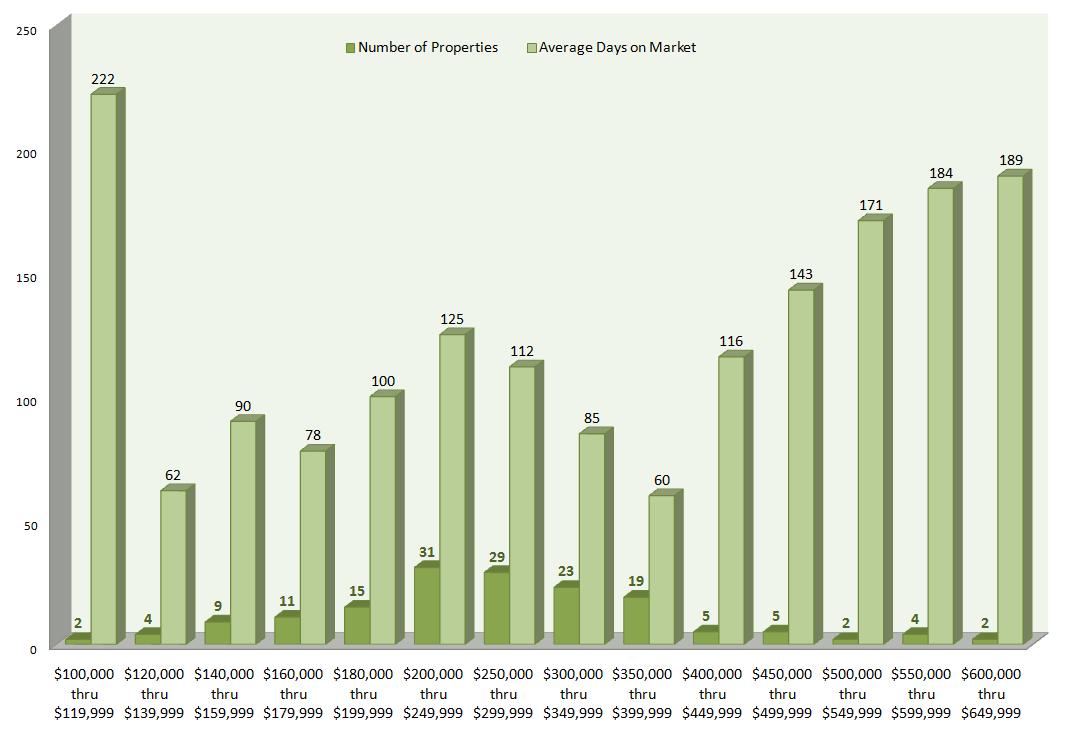
Redmond Washington Condo Sales
Available Redmond Condominiums


Summary Price:
Minimum: $103,000
Maximum: $635,000
Average: $283,220
Median: $259,990
Click graph to enlarge

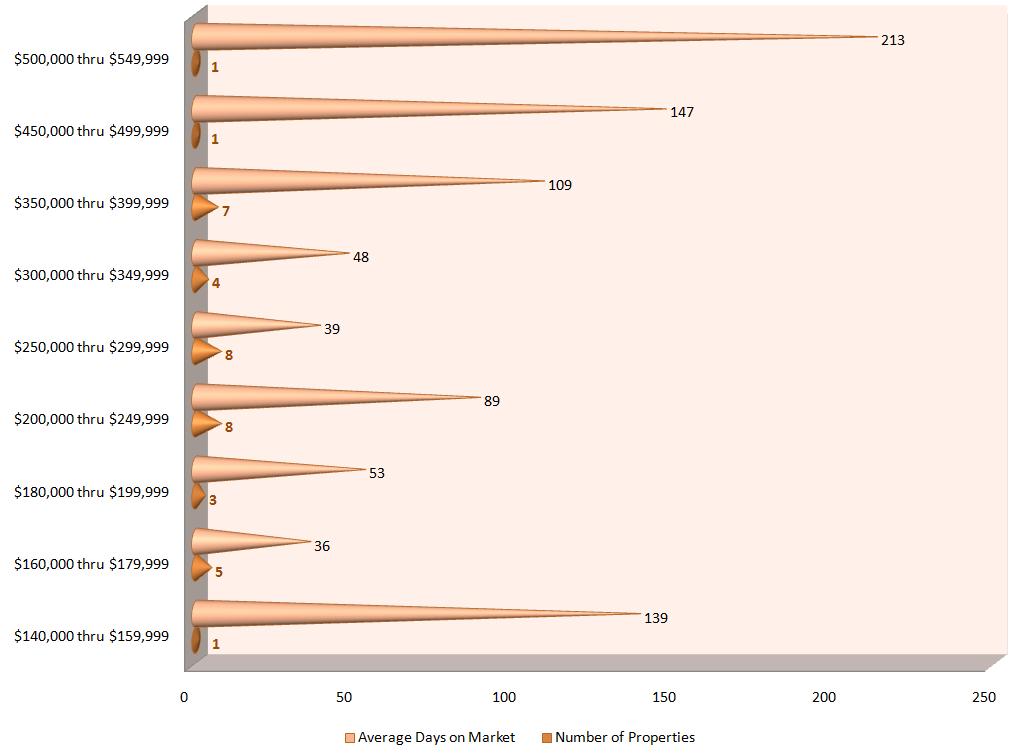
Pending Redmond Condos, under contract within the past 6 months
Summary Price:
Minimum: $150,000
Maximum: $504,990
Average: $278,110
Median: $256,900
Summary Price:
Minimum: $150,000
Maximum: $504,990
Average: $278,110
Median: $256,900
Click graph to enlarge

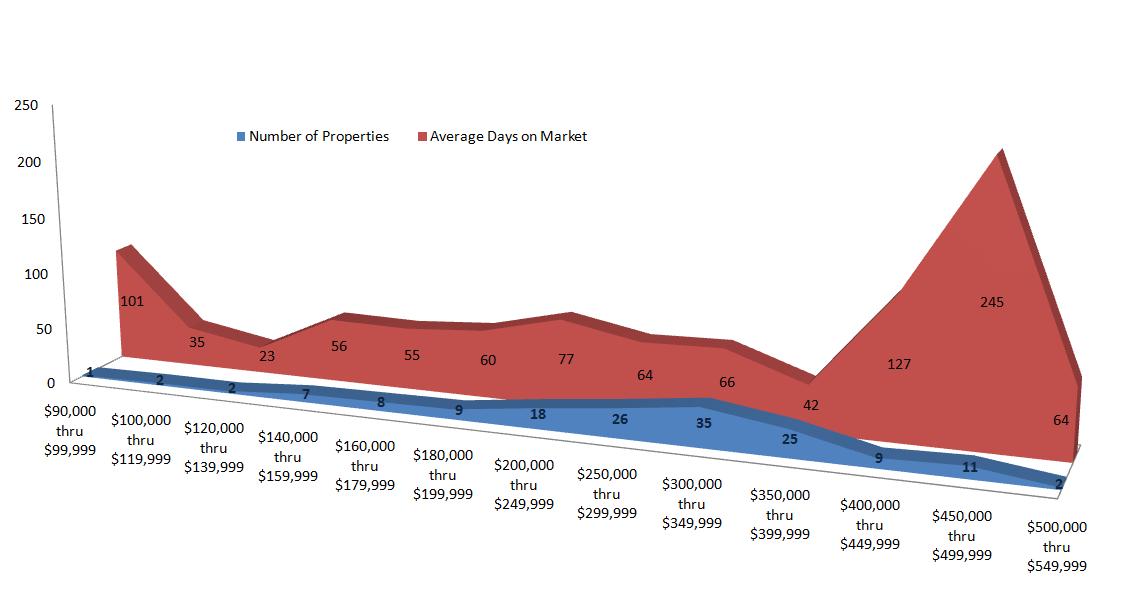
Sold Redmond Condominiums within the past 6 months
Summary Price:
Minimum: $96,000
Maximum: $540,000
Average: $301,377
Median: $318,000
Summary Price:
Minimum: $96,000
Maximum: $540,000
Average: $301,377
Median: $318,000
Click graph to enlarge

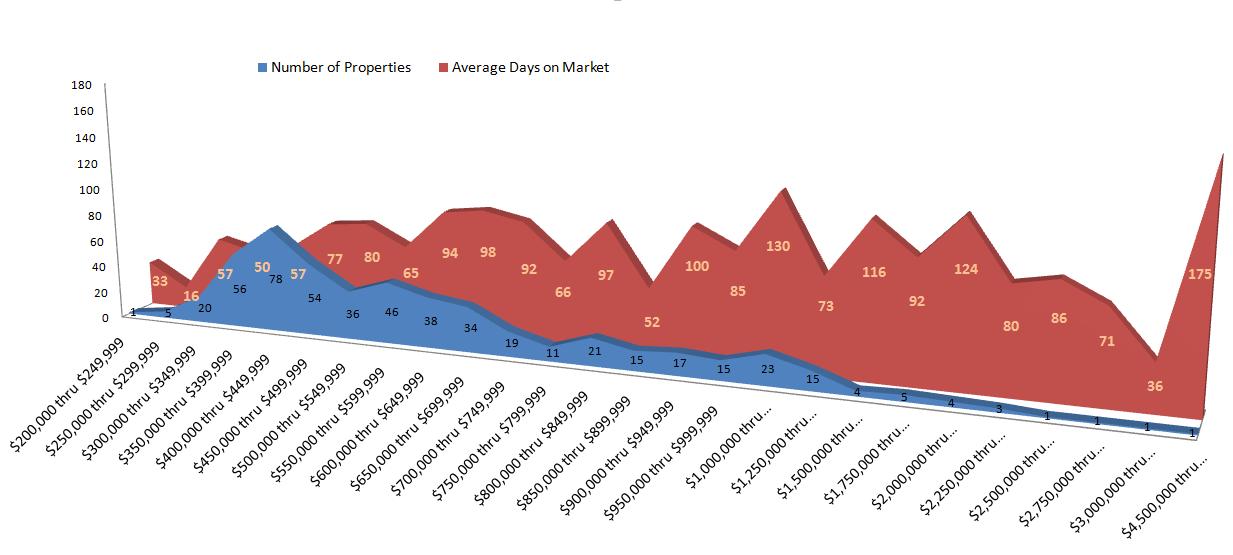
Bellevue Washington Home Sales Stats
Bellevue Single Family Homes (SFR) Sales for the past 6 months
Summary Price:
Minimum: $235,000
Maximum: $4,735,598
Average: $672,071
Median: $568,900
Click on graph to enlarge
Bellevue Condominium Sales for the past 6 months
Summary Price:
Minimum: $126,000
Maximum: $2,349,000
Average: $370,986
Median: $315,000
Summary Price:
Minimum: $126,000
Maximum: $2,349,000
Average: $370,986
Median: $315,000
Click on graph to enlarge
Redmond Washington Real Estate Report
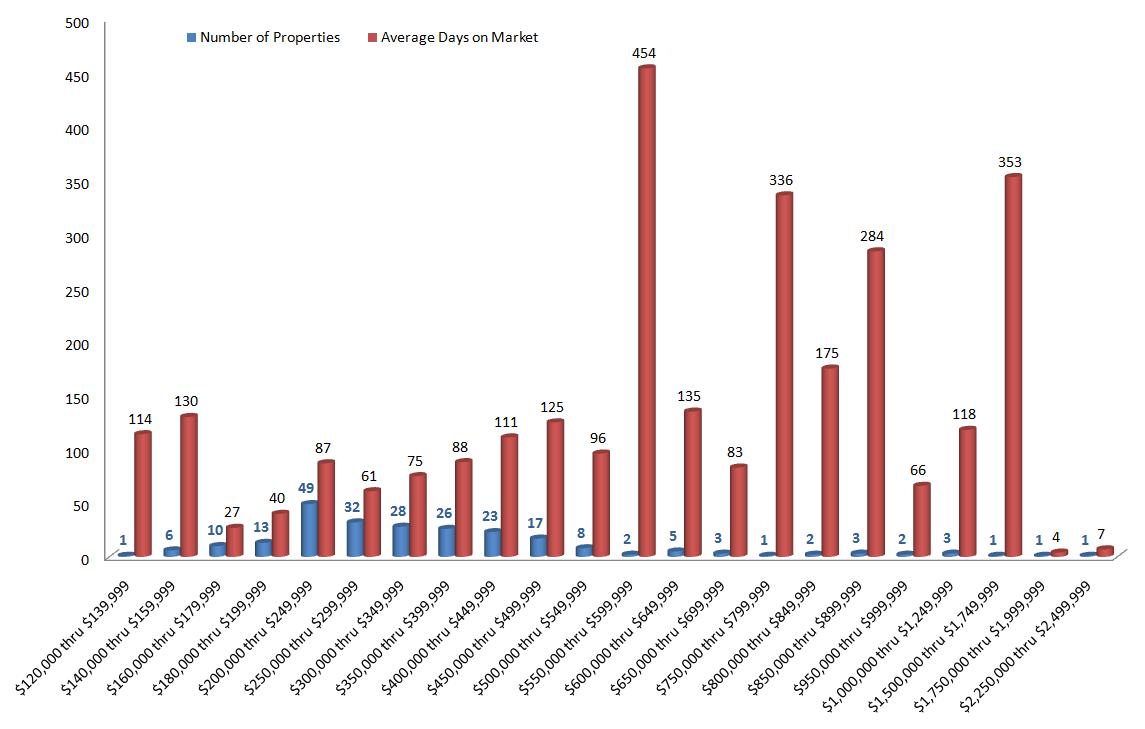
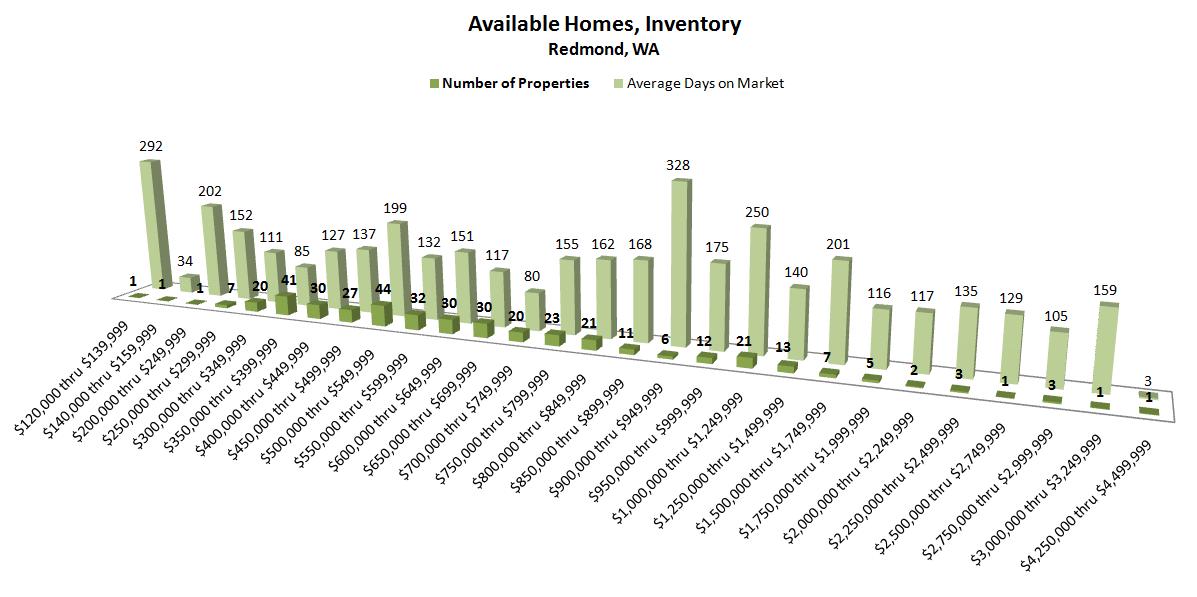
Redmond Home Inventory

Redmond Homes Sold in the past 6 months
Summary Price:
Minimum: $122,990
Maximum: $2,000,000
Average: $535,177
Median: $500,000
Summary Price:
Minimum: $135,000
Maximum: $4,280,000
Average: $729,282
Median: $601,957
Click on graph to enlarge
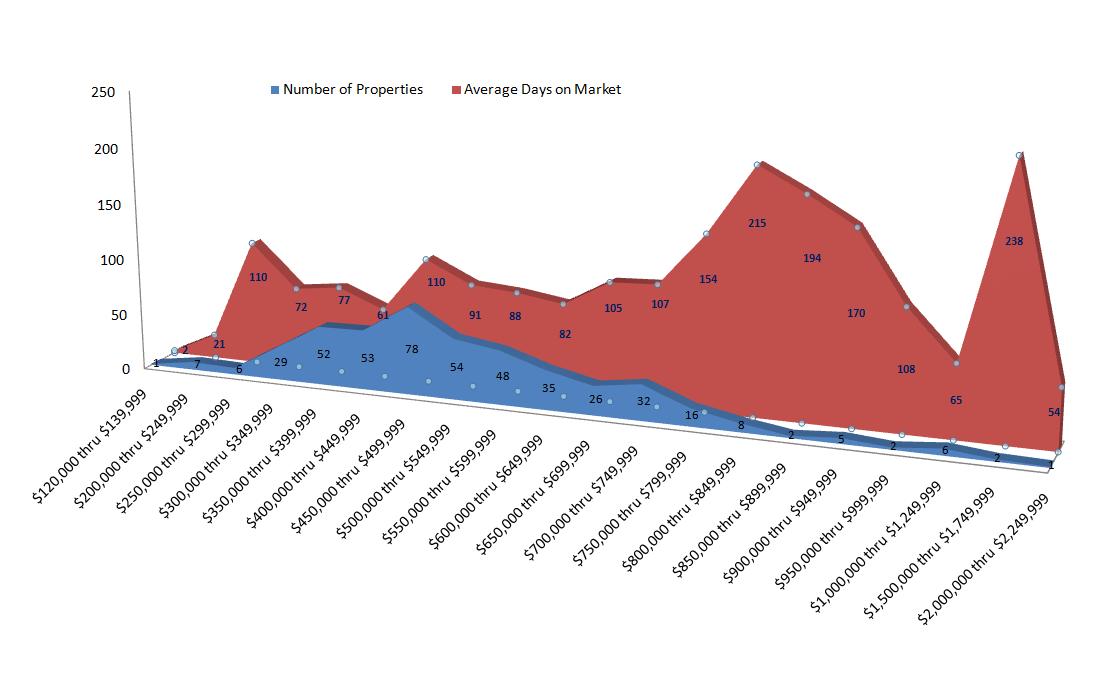
Redmond Homes gone Pending, in contract, in the past 6 month
Summary Price:
Minimum: $265,290
Maximum: $4,450,000
Average: $572,036
Median: $522,500
Click on graph to enlarge

Redmond Homes Sold in the past 6 months
Summary Price:
Minimum: $122,990
Maximum: $2,000,000
Average: $535,177
Median: $500,000
Click on graph to enlarge
Wednesday, December 23, 2009
A Grasshopper or an Ant?

When it comes to emergency preparation how many of us resort to Aesop's grasshopper's attitude about last minute preparation hoping to escape unexpected emergencies? We are continually bombarded with the hype of global warming that some of us are thinking this warming will negate the cold front which seemingly is creeping our way. We say to ourselves, we'll get by and if we can't our city leaders will find a way...hmmm.
I believe if we haven't learnt from pervious disasters how common place the lack of "immediate" responsiveness from our governing leaders, road crews, power companies, and even telephone companies can be, we need to re-assess our priorities and take upon ourselves a attitude of self-reliance. Pointing figures aren't going to resolve our immediate needs in an emergency, it will only create an inversion of harden feelings and render our power of choice limited.
It seems like a dream since we had our last snow dump here in Redmond Washington. Was it a surprise? Well, no. I think the weather report warned us of its coming but inconsistent weather reporting tend to fall on belabored ears that have gone deaf. Like most of the residence here, I was caught unprepared. The store ran out of snow shovels! But fortunately we had power.
If you aren’t ready for winter, it would be a great time to start soon. Here are some ideas to help you get started:
1. Have water enough to last you more than two weeks, ideally 3 months would be best.
2. Foods
a. have canned and/or dry foods storage as in some cases power outage will spoil fresh foods.
b. store foods you'll likely eat or enjoy eating, you may want to consider some snacks. I find myself wanting to snack when I'm worried or not really hungry but have nothing better to do.
c. candies
3. Light supplies
a. extra supplies of batteries
b. candles
c. matches or fuel lighters
d. oil lamps, use with caution and wisdom as they give off gaseous fumes and often times ventilation is necessary.
e. wood, if you have wood burning fireplaces
4. Service of Utilities
a. diligently clean your furnace filters, monthly is ideal
b. service your roof, water heater, and insulate your pipes
5. First Aid Kit
6. Games Anyone?
During a black out incident, I found time was my companion and boredom wasn't far behind. In winter, day light is short which leave some of us more time to sleep, read or play games. It is a good idea to have some playing cards readily accessible and any other games that help pass the time away; a good time to build relationships also.
7. Traveling?
a. have water to last you for three days in case you get stuck.
b. warm blanket, non-cotton preferable
c. emergency kits, of course
d. car cell phone charger
e. non-perishable foods and snacks
f. portable games, if any to keep you sane and occupied
g. emergency numbers
I believe if we haven't learnt from pervious disasters how common place the lack of "immediate" responsiveness from our governing leaders, road crews, power companies, and even telephone companies can be, we need to re-assess our priorities and take upon ourselves a attitude of self-reliance. Pointing figures aren't going to resolve our immediate needs in an emergency, it will only create an inversion of harden feelings and render our power of choice limited.
It seems like a dream since we had our last snow dump here in Redmond Washington. Was it a surprise? Well, no. I think the weather report warned us of its coming but inconsistent weather reporting tend to fall on belabored ears that have gone deaf. Like most of the residence here, I was caught unprepared. The store ran out of snow shovels! But fortunately we had power.
If you aren’t ready for winter, it would be a great time to start soon. Here are some ideas to help you get started:
1. Have water enough to last you more than two weeks, ideally 3 months would be best.
2. Foods
a. have canned and/or dry foods storage as in some cases power outage will spoil fresh foods.
b. store foods you'll likely eat or enjoy eating, you may want to consider some snacks. I find myself wanting to snack when I'm worried or not really hungry but have nothing better to do.
c. candies
3. Light supplies
a. extra supplies of batteries
b. candles
c. matches or fuel lighters
d. oil lamps, use with caution and wisdom as they give off gaseous fumes and often times ventilation is necessary.
e. wood, if you have wood burning fireplaces
4. Service of Utilities
a. diligently clean your furnace filters, monthly is ideal
b. service your roof, water heater, and insulate your pipes
5. First Aid Kit
6. Games Anyone?
During a black out incident, I found time was my companion and boredom wasn't far behind. In winter, day light is short which leave some of us more time to sleep, read or play games. It is a good idea to have some playing cards readily accessible and any other games that help pass the time away; a good time to build relationships also.
7. Traveling?
a. have water to last you for three days in case you get stuck.
b. warm blanket, non-cotton preferable
c. emergency kits, of course
d. car cell phone charger
e. non-perishable foods and snacks
f. portable games, if any to keep you sane and occupied
g. emergency numbers
Labels:
Emergency preparedness,
food storage,
winterizing
Thursday, December 3, 2009
Toys for Tots
Make a Difference!
Bring new unwrapped toys to the Marines & have your pictures taken with them & their Humvee!
Date: Saturday, December 12th, 2009
Time: 11:00 am to 2:00 pm
Where: Bella Bottega Shopping Center
8862 161st Ave NE, Suite 103
Redmond, WA 98052
View Larger Map
Saturday, November 7, 2009
Thursday, November 5, 2009
Homebuyer Tax Credit Aiming for the End Zone!

Not only is the homebuyer tax credit extended until April 30, 2010 but there is also an expansion to include the following: increase income cap and number of homeownership years with a stipulation.
"More than 1.4 million Americans have claimed the homebuyer credit at a cost so far of about $10 billion, according to the Treasury Department. The legislation approved today would allow the credit for couples earning up to $225,000 a year and individuals earning up to $125,000. That’s up from the current $75,000 limit for individuals and $150,000 for couples.
"It would allow homebuyers who have owned their residence for at least five years to receive a $6,500 credit. Those who sell their new home or no longer use it as their main residence within three years would have to repay the credit. Homes worth more than $800,000 wouldn’t be eligible...
"Extending the credit to those who already own homes won’t reduce the excess inventory of housing blamed for the slump because “every buyer taking advantage of the move-up credit would necessarily be a seller,” Goldman Sachs said. It said the plan may increase housing prices by 1 percent because “sellers are likely to incorporate a fraction of the credit amount in their sale prices.” See Full Article by Brian Faler with Bloomberg.com
I like to say that this extension is a good change, however, it has very serious and dire consequences, at the end of the tunnel, whether we choose to acknowledge it or not. Who will pay for the cost of the extension and expansion? I'm all for selling more houses because that is my business but at what cost and to what end?
"We", seemingly the majority, claim that we are fed up with the avalanche of mortgage fraud, money sucking CEOs, and dishonest political dealings that has entrenched us in an insurmountable deficient and yet we the people are not up in arms about the homebuyer tax credit extension and expansion. Don't mind the extension, what about the expansion?
I think that most of us feel a disconnect with events far away or events that we do not feel a part of, to some respect, and don't fully comprehend their tidal affect until it hits our shore, i.e. our pocket book, our retirement account, more taxes, increased food prices. Should we not act now to secure our future by putting aside our desire for immediate gratifications by investing in our nation's financial future, so we and our future generations may reap of its benefits and rewards, later?
"More than 1.4 million Americans have claimed the homebuyer credit at a cost so far of about $10 billion, according to the Treasury Department. The legislation approved today would allow the credit for couples earning up to $225,000 a year and individuals earning up to $125,000. That’s up from the current $75,000 limit for individuals and $150,000 for couples.
"It would allow homebuyers who have owned their residence for at least five years to receive a $6,500 credit. Those who sell their new home or no longer use it as their main residence within three years would have to repay the credit. Homes worth more than $800,000 wouldn’t be eligible...
"Extending the credit to those who already own homes won’t reduce the excess inventory of housing blamed for the slump because “every buyer taking advantage of the move-up credit would necessarily be a seller,” Goldman Sachs said. It said the plan may increase housing prices by 1 percent because “sellers are likely to incorporate a fraction of the credit amount in their sale prices.” See Full Article by Brian Faler with Bloomberg.com
I like to say that this extension is a good change, however, it has very serious and dire consequences, at the end of the tunnel, whether we choose to acknowledge it or not. Who will pay for the cost of the extension and expansion? I'm all for selling more houses because that is my business but at what cost and to what end?
"We", seemingly the majority, claim that we are fed up with the avalanche of mortgage fraud, money sucking CEOs, and dishonest political dealings that has entrenched us in an insurmountable deficient and yet we the people are not up in arms about the homebuyer tax credit extension and expansion. Don't mind the extension, what about the expansion?
I think that most of us feel a disconnect with events far away or events that we do not feel a part of, to some respect, and don't fully comprehend their tidal affect until it hits our shore, i.e. our pocket book, our retirement account, more taxes, increased food prices. Should we not act now to secure our future by putting aside our desire for immediate gratifications by investing in our nation's financial future, so we and our future generations may reap of its benefits and rewards, later?
Wednesday, November 4, 2009
Smart Market Report (SMR) October End 2009
(Double click on image to enlarge)Smart Market Report courtesy of Ron Sparks, designated broker of Coldwell Banker Bain of Bellevue.
SMR strategy is to determine if it is a buyer's market or a seller's market. Once you can decipher which it is and at what range, price the property accordingly. If neutral is at 4.5 and 1 and 9 are the extremities then numbers nearing or surpassing these extremities requires aggressive pricing; whether that aggressive pricing requires an increase or a decrease, it may exceed more than a few thousand, it may require several thousand, or tens of thousands.
(Double click on image to enlarge)
Eastside and Mercer Island Market Trends Jan 2007-Sept 2009
Graph courtesy of Alan L. Pope & Associate appraisal
Tuesday, November 3, 2009
Jumbo FHA and Buyers Tax Credit to extend & HVCC will be ousted

FHA Conforming Loan Limits
House and Senate have extended the high-cost loan limit, $729,750, until the end of 2010, December 31; and thereafter it may fall back to $625,000. DS News
Buyer Tax Credit extension
"Under the new language in the Senate, homeowners who have lived in their home for five of the past eight years would be eligible to receive a $6,500 tax credit, while first-time buyers would still be eligible for an $8,000 credit, [expansion proposal].
"The proposal would also increase the income limits of those eligible for the program, to $125,000 per year for individuals and $225,000 for couples...
"[The] expansion would cost about $10.2 billion over 10 years and would be paid for with offsetting cuts elsewhere in the budget. Simply extending the current tax credit is estimated to cost $1 billion a month...
"Analysts say the credit has helped the housing market, although critics question whether the value is worth the cost" (Full Report on Reuter ).
November 4, 2009 - Home Buyer Tax Credit extend until April 30, 2009
see Bloomberg article by Brian Faler
HVCC (Home Valuation Conduct Code)
The HVCC which was instigated to prevent appraisal coercion, appraisal fraud. During the "hot" market, some appraiser felt the banks and real estate agents pressured them to appraise more then the property was worth, thus manipulating their valuation and putting some reputable appraisers out of business because of steep competition to conform and placing the consumers at risk for default. Read more on HVCC by Dave Biggers at Appraisal Press. A highly recommended article.
Excerpts from article:
1. Under the HVCC, any lender using a professional appraiser incurs substantial
regulatory risks and additional costs, whereas AVMs, BPOs, and other valuation
alternatives are expressly and repeatedly exempted from the same regulations and
liabilities.
2. The HVCC unduly restricts the appraiser's ability to operate a business in the same
manner as the other parties already in the transaction.
3. Lenders must be prohibited from owning or controlling, in whole or in part, any sort of
valuation entity or mechanism used in the origination of a loan.
4. All valuations, regardless of method employed, must be provided to the borrower in the
same manner.
5. Any complaints regarding the valuation process should be reported solely to the IVPI,
not to the lender overseeing the origination.
"We do believe that these five areas can be addressed, and that to fail to do so would fly in the face of the original intent of the agreement which spawned the HVCC - namely, to strengthen the independence and reliability of the valuations backing what is for most Americans the single largest source of their net worth. Eliminating coercion of appraisers is essential to ensuring that we have maximum transparency and accountability in the real estate transaction and the financial markets which depend upon them. However, a regulation which damages and circumvents the very industry it seeks to protect - and which in turn harms consumers and investors - will not get us as a nation any closer to that goal."
HVCC was to implement independent appraisal valuation of properties, independent from the influence of sales agents and independent from the influences of banks thus protecting the consumers and supporting reputable appraisal practices. However, when HVCC was implemented, it created higher cost for consumers, devastated the appraisal industry by putting many companies out of business, created profitable avenues for banks by eliminating the competitions and loop holes for them to get around HVCC requirements which resulted in questionable regulatory practices. It is because of these that it is due to go away on the 1st of January 2010.
Saturday, October 31, 2009
Are you ready for Winter? It's time to bundle up!
Inspect Roof, Gutters & Downspouts
- Replace warn shingles or tiles
- Clean out the gutters, flush out debris
- Check integrity of flashings to prevent water from entering
- Direct all down spout away from the foundation
- Correct and repair areas where water may erode the perimeter foundation
- Consider having leaf guards installed especially during the winter as it may become difficult to clean during slick weather
Openings, Doors & Windows
- Inspect, repair & seal exterior cracks
- Weather strip doors and windows
- Replace cracked windows
- Replace windows with broken seals, if within your budget
- Use shrinkable plastic sheets over windows with broken seals, alternative to replacing windows
- Install storm windows in place of summer screens, not typical in the Northwest
- Use shrinkable plastic sheets over basement windows to minimize heat lose
Prevent liquid freezes
- Remove water from the garden hose
- Drain liquid from air conditioning pipes
- Remove standing water from sprinkler system
- Keep the internal temperature at least 55 degrees when on vacation
- Insulate plumbing pipes
- Know where water shut off valves are in case of emergency
Weather proof service equipments
Drain service equipments, any equipment that uses fuel and left in unheated storages
Equipments to have for this coming winter
- Snow blower! It will be worth your investment, could even possibly make some money like mowing the summer lawn, except you can plow the snow for the neighborhood(s).
- Snow shovel, a standard must haves
- Bags of Ice melt or sand
Subscribe to:
Posts (Atom)